Partnerships
Environmental conservation agreements
Fundación Iberdrola España works with different institutions and companies to improve the ecological habitat and protect biodiversity.

These are some of the most important agreements we have entered into in recent years to carry out environmental projects and initiatives:
- Energía Sin Fronteras: Iberdrola promotes projects that jointly address water and energy challenges through its Foundation and Energía Sin Fronteras (ESF), fostering sustainable solutions to improve the living conditions of vulnerable communities. Among these initiatives is the drinking water supply and basic sanitation project in Mirasolito, Honduras, where ESF built a solar-powered water supply system that benefits 52 households. In addition, at the Mock-Sud school in Makénéné, a water access project was implemented through the drilling of a 100-meter-deep borehole, the installation of a solar-powered pumping system, and the development of a water distribution network
- Fundación AMUS. Collaboration with Fundación AMUS on a project focused on identifying threats and analyzing habitat use by the Egyptian Vulture in mainland Spain. The initiative aims to enhance overall knowledge of the species’ ecology in Spain, with particular emphasis on identifying and assessing the threats affecting its conservation.
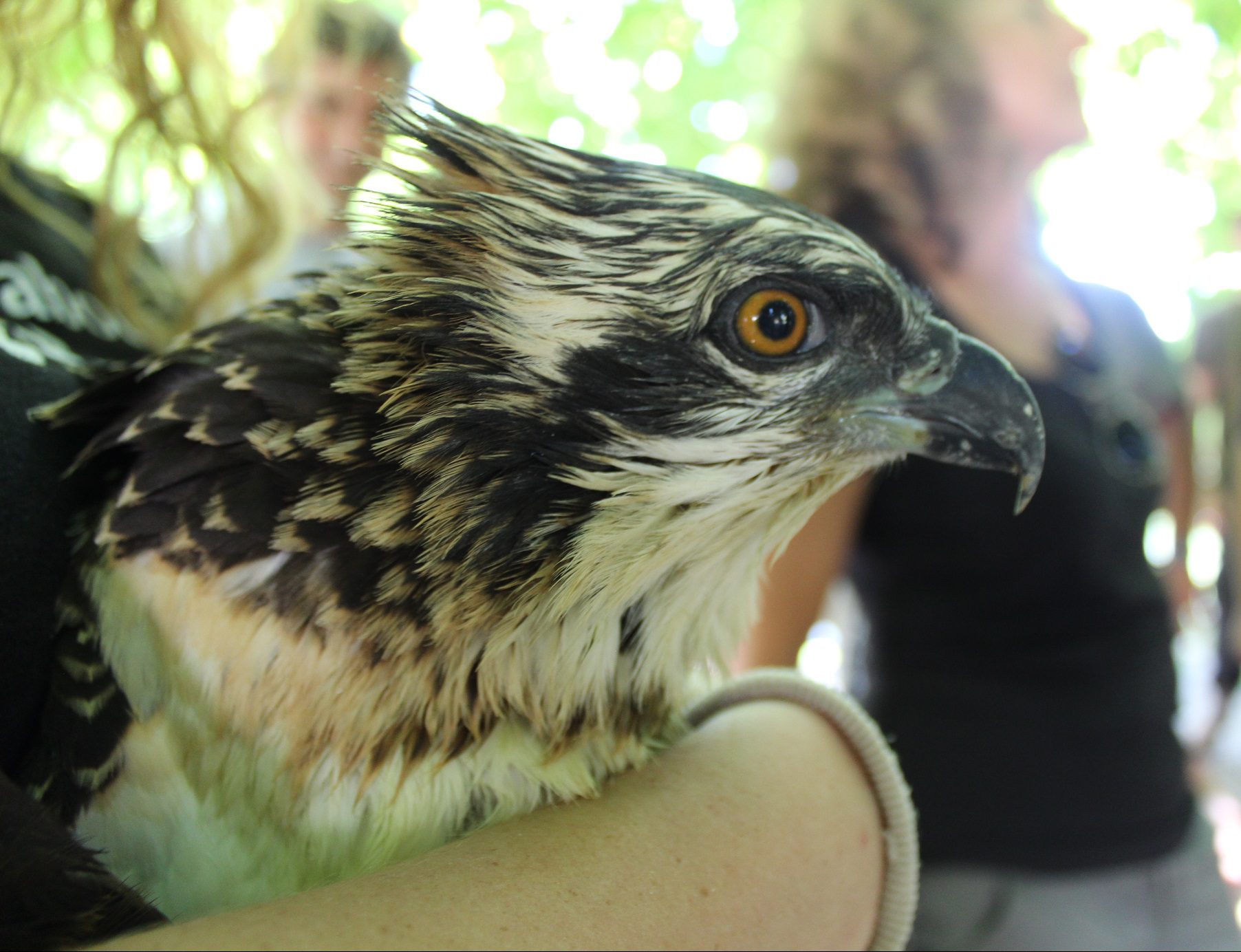
- BirdWings. Project for the comprehensive management of the Binaced poplar grove raptor roost, one of the largest in Spain. The site was acquired by Iberdrola in 2023, preventing its logging and enabling the conservation of approximately 1,000 Red Kites that use the area as a roosting habitat.
- Presidency of the Government. The 2030 Agenda and the Sustainable Development Goals (SDGs), a publication that brings together expert reflections and examines the relationship between security and development while keeping the SDGs at its core. Through the Iberdrola Spain Foundation, we demonstrate our commitment to the SDGs, climate action, and gender equality policies, particularly through initiatives that promote women’s empowerment.
Creation of wetlands in northern Burgos (2016, finished).
We collaborated with the Fundación Patrimonio Natural de Castilla y León (Castilla-León Natural Heritage Foundation) in the region of Páramos (in the north of the province of Burgos) on an interesting habitat improvement project to create a rest area for the many birds that follow the migratory route between northern Europe and the lakes in Villafáfila, La Nava and the South of the Iberian Peninsula every year. Another objective of the project was to make the wetland a refuge and breeding ground for wild animals that live in the area.
Conservation plan for Bonelli’s eagle in Arribes de Duero (2015, complete)
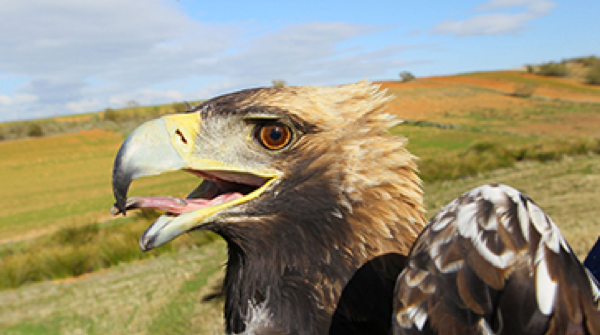
In partnership with the Fundación Patrimonio Natural de Castile and León (Castilla-León Natural Heritage Foundation), the “Conservation plan for Bonelli’s eagle in Arribes de Duero” was created to improve the habitat of Bonelli’s eagle in the hunting grounds throughout their “territory” to recover and maintain the species. The plan entailed providing supplementary food to guarantee reproductive success and monitor changes in population. In 2014, six chicks were tagged to monitor reproductive success. Other steps were taken to improve habitats to recover and maintain populations of the most important prey species, such as the wild rabbit. Most of the tasks involved clearing scrubland, sowing seeds, and improving water points and traditional grazing.
Conservation of protected species in the Tajo International Natural Park (2014, complete)
This project to monitor the black stork (Ciconia Nigra) and the Egyptian vulture (Neophron Percnopterus), two threatened species whose migratory habits are not well known, was undertaken in partnership with the Extremadura Regional Government’s Ministry of Agriculture, Rural Development, Environment and Energy. This project entailed compiling relevant information about the causes of death of these birds.
Millennium Ecosystem (2013, concluded)
This initiative was part of the United Nations Millennium Ecosystem Assessment to implement a research project and analysis of ecosystems in Spain. This initiative was carried out in collaboration with the Autonomous University of Madrid and the Biodiversity Foundation. The conclusions of the project revealed substantial transformations in some of these ecosystems. After its presentation at International Congress “ Make the World a Wilder Place” (international forum of reference for the environment and biodiversity), the “The Millennium Ecosystem Assessment in Spain” information guide was published.